



CSWE-Accreditation
Syracuse University’s online Advanced Standing MSW program is accredited by the Council on Social Work Education.
Build on existing social work studies to fast track your way to making positive change in your community.
Admissions Criteria | CSWE-accredited BSW completed within the past 10 years; minimum 3.0 GPA in social work courses preferred; at least 30 liberal arts credits required |
Credits and Courses | 36 credits; 12 courses |
Completion Time | As few as 24 months, part time |
Concentrations | Advanced Integrated Practice or Advanced Clinical Practice |
In-Person Education | 500 hours of fieldwork over two terms at one approved site |
Format | Weekly live online classes and self-paced coursework |
Standardized Tests | Not required |
Unlike many advanced standing online Master of Social Work (MSW) programs that require a BSW earned within the last five to seven years, Syracuse accepts (Bachelor of Social Work (BSW) degrees earned up to 10 years ago, giving experienced social workers maximum flexibility to return and complete their degree on an accelerated track
By already focusing your undergraduate studies in social work, you’ve proven your drive and commitment to creating a more just society. You’ve proven your dedication to recognizing the dignity of all people, embracing an ever-evolving profession and advocating for vulnerable populations. You’ve proven your values align with Syracuse University’s definition of social work.
Whether you want to deepen your current practice, explore a new area of the profession, or build on your BSW, take the next step with a program that allows you to bypass foundational MSW coursework so you can focus on advanced training and applied experience.
If you do not hold a qualifying BSW, explore Syracuse University’s traditional online MSW program, which begins with foundational coursework and provides additional field education before concentration study.
CSWE-Accreditation
Syracuse University’s online Advanced Standing MSW program is accredited by the Council on Social Work Education.

ASWB Exam Preparation
The curriculum prepares students to sit for the Association of Social Work Boards (ASWB) licensing examination.

State-Specific Licensure
Licensure requirements vary by state and may include examinations and supervised post-degree experience.
Earning an MSW is one part of the licensure process; the degree itself is not a license. Before enrolling or relocating, review Syracuse University’s licensure information and the rules that govern social work practice in your state.
As an Advanced Standing MSW student, you can complete your degree part time in as few as 24 months. You will build on your existing skills by bypassing foundational coursework and diving into the advanced concepts it takes to lead the future of the profession. This includes themes that define the Syracuse University MSW difference: military culture and mental health practice, trauma-informed care, social justice, leadership and social work in the digital age.
Online coursework develops your engagement, assessment, intervention and evaluation skills across systems, while in-person field education prepares you to put those methods into practice.
36
Credits
12
courses
24
months part time
500+
hours of field
placement
After 12 credits of advanced coursework, choose the concentration that best fits your intended area of practice.
In AIP, you will integrate direct practice with leadership and systems-level work. Consider this concentration if you are interested in interdisciplinary organizations, human service administration, community organizing, public policy or other settings that connect individual needs with organizational or community change.
The ACP concentration emphasizes specialized clinical work with individuals, families and groups. Consider this concentration if your interests include mental health practice in inpatient, outpatient or other clinical settings, or if you plan to pursue clinical social work licensure after meeting all state requirements.
Fieldwork is an integral part of the online MSW Advanced Standing program and will be woven throughout your studies. Bypassing the foundational placement requirement, you will complete two terms of concentration fieldwork, or 500 hours, at one placement site. During your concentration fieldwork, you will expand your knowledge, values and skills in a specialized area of practice.
You will also have access to our Tevera field education portal. This online tool can be used to view details of your field placement site, complete field assignments, log your hours and keep track of your progress.
For the 2026–2027 academic year, tuition is $1,226 per credit. At 36 credits, estimated base tuition for the Advanced Standing MSW is $44,136. Tuition is reviewed annually and may change; students are also responsible for costs such as textbooks, software and housing.
Tuition details (2026-2027 academic year)
Tuition per credit | $1,226 |
Program credits | 36 |
Estimated base tuition | $44,136 |
Eligible students may explore federal student aid, private financing and veterans benefits. Visit the current tuition and financial aid page for funding options and important federal aid updates.
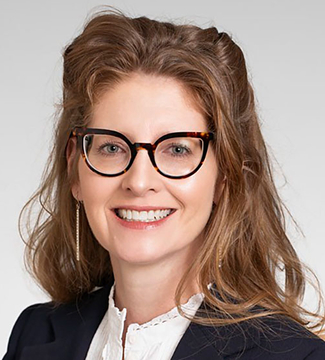
Yvonne (Eevie) Smith is Syracuse University’s director of social work and an associate professor. Her research and practice experience span therapeutic residential care for young people, harm reduction outreach, supportive and transitional housing, and therapeutic foster care.
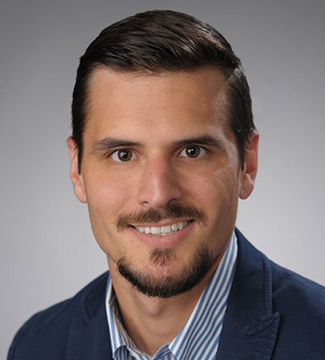
Ken Marfilius leads online programs and strategic initiatives for Syracuse University’s School of Education and teaches in the School of Social Work. A U.S. Air Force veteran, he focuses on military mental health, veteran social work, trauma-informed care and support for military-connected students.
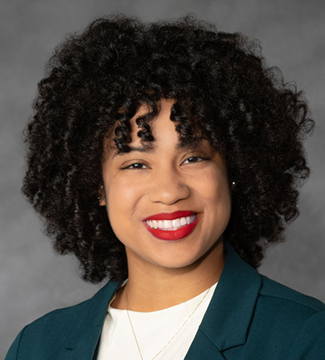
Britney (Pitts) Carter teaches in the online MSW program, where her work centers on antiracism and social justice. Her background includes teaching human behavior, advanced clinical practice, field instruction and research, along with practice serving local and virtual school communities.
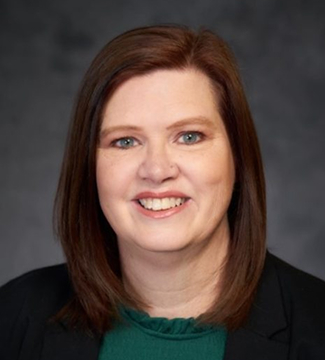
Tracy Walker leads field education for Syracuse’s BSSW, residential MSW and online MSW programs. Her background spans field education and child and family services, and she teaches field instruction and supervision courses that help students connect classroom learning with professional practice.
Social workers serve individuals, families and communities in settings such as human service agencies, health care organizations, schools and government. Clinical social workers need a master’s degree, supervised clinical experience and a state license.1
These national occupational figures are not Syracuse University graduate outcomes. Wages and employment opportunities vary by role, location, employer, experience and licensure status.
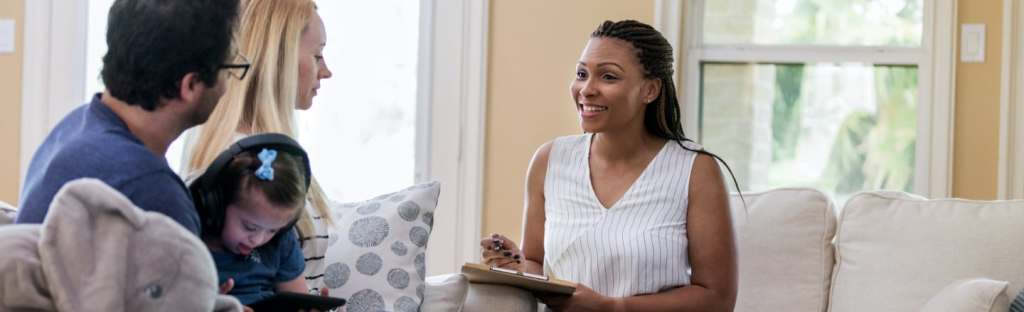
To apply for Advanced Standing, you must hold a BSW from a CSWE-accredited program and have earned it in the past 10 years. Syracuse prefers a minimum 3.0 GPA in social work courses and requires at least 30 credits of liberal arts coursework. GRE scores are not required to apply.
Degree Requirement | BSW from a CSWE-accredited program completed within the past 10 years |
GPA Threshold | Minimum 3.0 preferred in social work courses |
Prerequisite Credits | At least 30 credits of liberal arts coursework |
Standardized Testing | GRE waived (No exam required) |
Application Materials | Transcripts, resume/CV, 600–800 word essay, and three recommendations |
Review the admissions page for current deadlines, fees and international applicant requirements.
Use your BSW experience to propel the next stage of your social work career forward at Syracuse University. Request information to speak with an enrollment specialist or start your application.
The Advanced Standing MSW is an accelerated 36-credit pathway for qualifying BSW graduates, whereas the Traditional MSW is a 60-credit program for applicants with any bachelor’s degree. Advanced Standing students skip foundational coursework and complete 500 field hours, compared to 900 field hours in the traditional track.
Yes, you must hold a BSW from a CSWE-accredited program awarded within the past 10 years. This 10-year window provides greater flexibility than most competing programs, allowing returning professionals to leverage prior academic training.
No, GRE scores are not required to apply for the online Advanced Standing MSW program. Admissions reviews applicants holistically using undergraduate transcripts, professional experience, recommendations, and your personal essay.
The estimated base tuition for the 2026–2027 academic year is $44,136 for 36 credits, or $1,226 per credit. Because pricing is reviewed regularly, confirm the latest amount on Syracuse’s tuition page, which also outlines borrowing and veteran funding resources.
At the part-time pace, students can finish the Advanced Standing MSW in 24 months. Individual timelines may vary depending on course sequencing, field placement scheduling and academic performance.
The Advanced Standing MSW program includes both synchronous and asynchronous learning. You’ll attend weekly live online classes with peers and complete other coursework through the digital campus on your schedule.
Plan for an overall academic workload of about 10 hours per week, excluding your internship. That typically includes one 90-minute live class session and seven to eight hours of independent or asynchronous coursework. Once field education begins, expect an additional 16–20 hours per week for internship duties. You will need at least one full weekday available, although the schedule will likely require two full weekdays.
Advanced Integrated Practice (AIP) and Advanced Clinical Practice (ACP) are the program’s two concentrations. AIP brings together client-focused services and work in leadership, administration, policy and communities. ACP is oriented toward specialized practice with individuals, families and groups, often in mental health settings.
An MSW is a graduate degree that prepares students for social work practice and may support eligibility for social work licensure, depending on state requirements. An LMFT is a licensed mental health professional whose graduate education and supervised clinical training emphasize psychotherapy, relationships and family systems. Compare each path’s education, supervised experience, examinations and scope of practice in the state where you plan to work.
You must complete 500 hours of fieldwork at a single approved site over two terms. Syracuse assists with placement planning and assigns liaison support for the experience. Options depend on location, availability and program approval, so a site near your residence cannot be guaranteed.
No. The MSW can prepare you for professional practice and licensing examinations, but state-specific education, testing and supervised-experience standards still apply. Check the rules wherever you expect to seek licensure.
