


ALA-Accredited Degree3
Syracuse University Online Master of Science in Library and Information Science: School Media
Help shape the next generation of readers, researchers and critical thinkers through literacy instruction, information access and technology integration in K-12 schools.
Inspire Lifelong Learning in School-Age Children
The online Master of Science in Library and Information Science (MSLIS): School Media from the Syracuse University School of Information Studies (iSchool) prepares you to support literacy, information access and technology integration for students in grades K-12.
The ALA-accredited program can help prepare you for certification as a school library media specialist and supports a pathway to New York State certification and may meet the requirements for other states.
The program requires students to meet core MSLIS requirements, as well as complete specified coursework in information literacy, youth services, information technology in schools, literacy and reading support, and management in school libraries.
Certification-Focused Curriculum
Literacy and Technology Leadership
What Skills Will You Gain in the Syracuse School Media Program?
School library media specialists do far more than manage books and resources. They help students develop literacy, research and digital citizenship skills, collaborate with educators to support learning across the curriculum and guide the effective use of technology in educational settings.
The Syracuse online MSLIS: School Media program prepares you to support student learning, promote information literacy and lead technology integration in K-12 schools. Through coursework and field experiences, you’ll develop the knowledge and practical skills needed to serve as an instructional partner, information professional and educational leader.
Throughout the program, you’ll develop skills in the following areas:
Teaching and Learning
Develop a deeper understanding of how students learn and how to support their academic growth. You’ll learn to collaborate with classroom teachers, integrate information literacy into instruction and support learning across the curriculum.
Literacy and Reading
Explore children’s and young adult literature while learning strategies to foster reading engagement and literacy development. You’ll gain the skills to support diverse learners and promote a culture of reading within your school community.
Information and Knowledge Management
Learn how to help students and educators locate, evaluate and use information effectively and ethically. You’ll build expertise in information access, research methods, digital resources and educational technologies.
Advocacy and Leadership
Develop the leadership skills needed to advocate for school library programs, build professional networks and contribute to the advancement of the library and information science profession.
Program Management and Administration
Gain practical knowledge in collection development, budgeting, facilities management, strategic planning, assessment and professional ethics to help you effectively manage and grow school library programs.
Whether you’re pursuing initial certification or looking to expand your impact in education, the Syracuse School Media specialization can help prepare you to support literacy, technology integration and lifelong learning in K-12 schools.
Jump to:
Requirements
Admissions
Faculty
Careers
FAQs
Request Information
What Are the Graduation Requirements for the Online MSLIS?
Program Structure
The Syracuse online MSLIS: School Media program requires students to complete:
36 credits
12 courses
100 hours
of foundational fieldwork
Must include 15 hours working with students with disabilities
For students with a teaching certification: 50 hours of school-based experience (practicum) in your local community
For students without a teaching certification: 480 hours of school-based experience (practicum) in your local community
The program can be completed in as few as 18 months or as many as 24 months, depending on your schedule and course load.
Students complete coursework in areas like:
- Library and information science foundations
- Literacy instruction
- Information technology
- Youth services
- School library management
- Educational leadership
Foundational Fieldwork
Prior to beginning the formal practicum, students complete 100 hours of foundational fieldwork in elementary and secondary school library settings. This requirement includes at least 15 hours working with students with disabilities.
Practicum Experience
Students must complete IST 972, a supervised practicum requiring school-based experience. For students with a teaching certificate 50 hours will be required. For students without a teaching certificate 480 will be required.
| Setting | Hours with Teaching Certificate | Hours without Teaching Certificate |
|---|---|---|
Elementary School Library | 25 | 240 |
Secondary School Library | 25 | 240 |
Total | 50 | 480 |
Sample Courses
The courses below highlight a sample of the topics you may explore as part of the School Media curriculum.
IST 511: Cultural Foundations of Information Studies
Explore the professional, social, ethical and legal issues shaping today’s information profession. You’ll examine how libraries and information organizations serve diverse communities while developing an understanding of the evolving role of information professionals.
IST 613: Library Project Design: Analysis to Assessment
Learn how libraries create and deliver value to their users and communities. Through a user-focused approach, you’ll explore planning, marketing and assessment strategies that support library services, collections and organizational goals.
IST 662: Instruction, Facilitation, and Program Design
Develop skills in information literacy instruction, training design and educational technology. You’ll learn strategies for designing, delivering and evaluating instructional experiences that help learners effectively access and use information.
Jump to:
Requirements
Admissions
Faculty
Careers
FAQs
Request Information
Admissions Requirements
The Syracuse online MSLIS: School Media program welcomes applicants from a variety of academic and professional backgrounds. Whether you’re pursuing certification as a School Library Media Specialist or advancing your career in education, the admissions team is available to help guide you through the application process.
To apply, you’ll need to submit:
- Online application
- Resume or curriculum vitae
- Official transcripts from all previously attended institutions
- Personal statement
- Additional personal essay
- Two letters of recommendation
No GRE scores are required.
Visit the admissions page for complete application requirements, deadlines and information about transferring credits.
Tuition and Financial Aid
The tuition rates below are for the 2026–2027 academic year.
| Tuition Component | Cost |
|---|---|
Cost Per Credit | $2,086 |
Total Credits | 36 |
Estimated Base Tuition | $75,096 |
Additional university and technology fees may apply. Tuition rates are subject to change. Syracuse University also offers scholarships, fellowships and financial aid opportunities for eligible students.
Learn more about tuition and financial aid.
Jump to:
Requirements
Admissions
Faculty
Careers
FAQs
Request Information
Learn From Syracuse School Media Faculty and Information Science Leaders
As a student in the Syracuse School Media program, you’ll learn from faculty and practitioners with expertise spanning school librarianship, information literacy, educational technology, digital collections, equity in information access and youth services. Their experience helps connect classroom learning with the real-world challenges and opportunities facing today’s school library media specialists.
Meet Some of Our Faculty Members
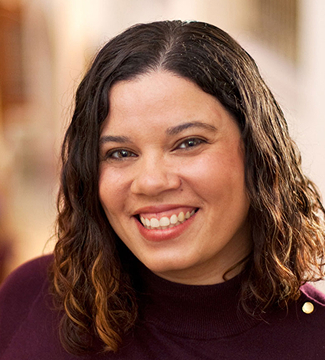
Associate Professor and Program Director of the Master of Science in Library and Information Science (MLIS) program, Beth Patin’s work focuses on equity in information access, community resilience and cultural responsiveness. Her teaching and research explore how libraries and information professionals can create more inclusive learning environments and address barriers to information access.
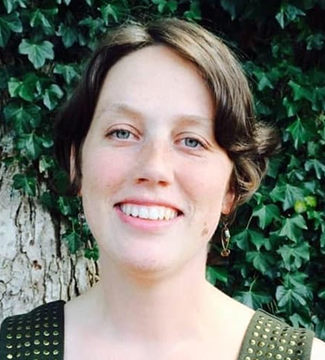
Adjunct Professor and children’s services librarian, Poppy Louthan brings extensive experience working with youth, literacy initiatives and library services. Her professional background helps students understand how school and public libraries support reading engagement, learning and community impact.
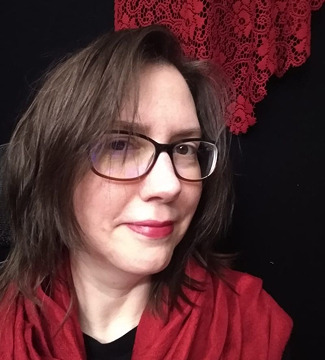
Adjunct Professor and independent digital librarian, Arden Kirkland specializes in digital collections, online learning, instructional design and educational technology. Her work helps students develop the skills needed to manage digital resources, support online learning environments and navigate the evolving role of technology in information services.
Explore the Syracuse iSchool Faculty Directory to learn more about the educators, researchers and practitioners who teach within the School of Information Studies.
Jump to:
Requirements
Admissions
Faculty
Careers
FAQs
Request Information
What Can You Do With a School Media Degree?
A school media degree can prepare you for careers that combine literacy, education, information management and technology. Depending on your interests, experience and state certification requirements, you may pursue roles in K-12 schools, libraries and educational organizations.
| Career Path | Common Work Setting | What You’ll Do |
|---|---|---|
School Library Media Specialist | K-12 public and private schools | Teach information literacy, support reading initiatives, manage library resources and collaborate with educators. |
Technology Integration Coordinator | School districts and educational organizations | Help schools implement educational technology and support digital learning initiatives. |
Instructional Partner | Elementary and secondary schools | Work alongside teachers to develop curriculum-aligned learning experiences and research projects. |
Youth Services Librarian | Public and community libraries | Support literacy development, reading programs and educational services for children and teens. |
Digital Media Specialist | Schools, learning centers and educational organizations | Manage digital resources, online content and technology tools that support teaching and learning. |
Career Outlook and Salary Information
According to the U.S. Bureau of Labor Statistics, employment for librarians and library media specialists is projected to grow through 2035 as organizations continue adapting to evolving information, technology and learning needs.4
Salaries and employment outcomes vary by role, employer, geographic location, experience and state certification requirements.
FAQs About the Online Master of Science in Library and Information Science: School Media at Syracuse
-
The School Media specialization is designed for students who want to work in K-12 schools and pursue roles such as School Library Media Specialist or Technology Integration Coordinator. The curriculum emphasizes literacy instruction, educational technology, youth services and school library leadership.
The general MSLIS program offers a broader foundation in library and information science and may be a better fit for students interested in careers in public libraries, academic libraries, archives, digital curation, knowledge management and other information-focused fields.
-
The value of a Master of Science in Library and Information Science depends on your career goals. For many school library media specialist positions, a master’s degree is required for certification or employment. The Syracuse online MSLIS: School Media program prepares students to support literacy, information access, educational technology and student learning in K-12 settings while meeting academic requirements for New York State School Library Media Specialist certification.
-
The Syracuse online MSLIS: School Media program is offered through the School of Information Studies (iSchool), which has been accredited by the American Library Association (ALA) since 1928. The program combines coursework in library and information science, literacy, educational technology and school librarianship to prepare students for careers in educational and information-focused settings.
-
Syracuse University’s School of Information Studies is part of the international iSchools organization, a group of information-focused academic institutions. Through the School Media specialization, students develop skills in information literacy, technology integration, digital resources and library leadership that are relevant to contemporary K-12 learning environments.
-
At its core, Library and Information Science (LIS) is the study of how knowledge is produced, organized and shared. It’s about understanding the journey of information—from physical documents to digital assets—and building the systems and communication channels that make that knowledge accessible to everyone.
-
Artificial intelligence is changing how information is created, accessed and evaluated, but it has not eliminated the need for library and information professionals. School library media specialists continue to play an important role in teaching information literacy, supporting research skills, evaluating information sources and helping students use technology responsibly.
-
No. A teaching license is not required for admission to the Syracuse online MSLIS: School Media program. Students from a variety of academic and professional backgrounds may apply. Individuals seeking certification should review state-specific requirements, which may vary by jurisdiction.
-
The Syracuse online MSLIS: School Media program is designed to support New York State requirements for certification as a School Library Media Specialist (K-12). Certification requirements are determined by the New York State Education Department and may change over time. Students should review current certification requirements before enrolling.
-
The Syracuse online MSLIS: School Media program is accredited by the American Library Association and is designed around New York State certification requirements. Certification requirements vary by state and may include additional coursework, examinations, teaching credentials or supervised experiences. Students should consult their state’s licensing authority to determine eligibility.
-
The Syracuse online MSLIS: School Media program consists of 36 credits and can be completed in as few as 18 months. Students may choose a pace that aligns with their professional and personal commitments.
-
Yes. Online students complete fieldwork and practicum requirements in approved school library settings. The program includes 100 hours of foundational fieldwork and a supervised practicum experience. Students work with program staff to identify appropriate placements that meet program requirements.
-
It mostly comes down to the environment and the “teaching” component. Library Media Specialists are based in K-12 schools, focusing on integrating technology and digital literacy into the school’s curriculum. General librarians, on the other hand, serve in public, academic or special settings, focusing on collection management and community-wide research services.
-
School Library Media Specialists wear many hats: curator, teacher and technology guide. You’ll manage the library’s collection, teach students essential research and digital citizenship skills and act as a vital instructional partner to teachers.
-
Graduates of the Syracuse online MSLIS: School Media program may pursue careers in K-12 schools, libraries and educational organizations. Potential career paths include School Library Media Specialist, Technology Integration Coordinator, Instructional Partner, Youth Services Librarian and Digital Media Specialist.
-
As a Syracuse University student and graduate, you’ll join a global alumni network spanning a wide range of industries and professions. Students may also have access to university career resources, networking opportunities and alumni engagement programs.
- Best Graduate Schools: Library and Information Studies. (2026). U.S. News & World Report. Retrieved October 2026. ↩︎
- ALA Accredited Programs. (n.d.) American Library Association. Retrieved June 2026. ↩︎
- ALA Accredited Programs. (n.d.) American Library Association. Retrieved June 2026. ↩︎
- Librarians and Library Media Specialists. (2025). U.S. Bureau of Labor Statistics. Retrieved October 2026. ↩︎
- Librarians and Library Media Specialists. (2025). U.S. Bureau of Labor Statistics. Retrieved October 2026. ↩︎
- Librarians and Library Media Specialists. (2025). U.S. Bureau of Labor Statistics. Retrieved October 2026. ↩︎